

Europa casino Plinko game
Introduction
Plinko looks almost too simple to deserve a long analysis. A ball drops from the top of the board, hits a field of pegs, changes direction again and again, and finally lands in a multiplier slot at the bottom. That is the whole visual idea. And yet, after testing versions of this format across modern gambling platforms, I can say with confidence that simplicity is exactly why Plinko deserves a closer look. On the surface, it feels intuitive. In practice, it can produce very different sessions depending on board settings, risk level, row count, and the player’s expectations.
On the Europa casino Plinko page, the appeal is not built around story, symbols, or bonus rounds in the way classic online slots usually work. The attraction comes from directness. You set a stake, choose a risk profile, release the ball, and instantly see the result. There is no long spin animation, no layered paytable to decode, and no illusion that strategy can “unlock” hidden value. That makes Plinko honest in one important sense: the tension is visible. Every bounce is right in front of you, and every outcome is easy to understand.
For players in New Zealand who want to know whether Plinko is actually worth trying, the key question is not whether the board looks entertaining. The real question is what kind of gambling experience it offers. Is it closer to a slot, a crash game, roulette, or something else entirely? How much control do you really have? And how volatile can a session become once you move from low-risk settings to aggressive ones? This is where a proper Plinko review matters. Anyone stuck on account verification can follow the steps laid out in Europa Casino bonus balance rules before making a deposit.
In this article, I will break down how Europa casino Plinko works, why it holds attention so effectively, what the game rhythm feels like in real play, and where the strengths and limitations become obvious. My goal is practical: to help you understand what to expect before you launch a session, not to sell the format as universally suitable for everyone.
What Plinko is and why players keep coming back to it
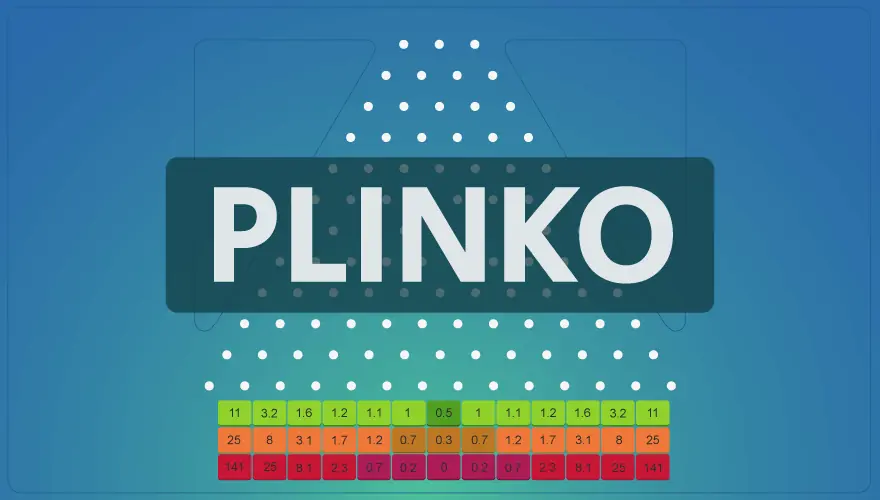
Plinko is a probability-driven casino game built around a vertical board filled with pegs. The player drops a ball from the top, and as it collides with the pegs, it moves left or right until it reaches one of several payout zones at the bottom. Each bottom slot carries a multiplier. Lower multipliers usually sit near the centre of the board, while the highest multipliers tend to be placed at the far edges, where the ball reaches less often.
That structure matters because it creates a very clean balance between frequent modest returns and rare large hits. Many players are drawn to Plinko because they can understand this balance immediately. You do not need to study paylines, cascading reels, scatter logic, or bonus symbols. A few seconds are enough to grasp the board. But understanding the board is not the same as understanding the session. That is where Plinko becomes more interesting than it first appears.
One reason the format became so noticeable is that it turns randomness into a visible event. In a slot, the random number generation is hidden behind spinning reels. In Plinko, the randomness is dramatized through movement. Watching the ball bounce creates a sense of suspense that feels more physical than a reel stop. Even when the result is mathematically predetermined by the game engine at the moment of release, the path still gives the player a powerful emotional read of near misses, lucky swings, and edge chases.
I think this is one of the most important observations about Plinko: it makes probability feel personal. When a ball drifts toward a high multiplier and then cuts back to the middle late in the drop, the result feels sharper than a standard low-paying slot spin. That emotional clarity is a big part of why players remember Plinko sessions so vividly.
How the Plinko system actually works
At its core, Europa casino Plinko follows a straightforward loop. The player chooses a stake, selects a risk level, and in many versions may also adjust the number of rows. After that, the ball is dropped and the multiplier is applied to the stake based on the slot where the ball lands. The interface is usually minimal, but the settings matter a great deal.
The movement logic is based on repeated directional changes as the ball hits pegs. From a mathematical point of view, the centre of the board is statistically favoured because there are more possible paths leading there. The edges are harder to reach because they require a more unusual sequence of left-right outcomes. This is why the highest multipliers are typically located at the extremes. The game is built around that distribution.
Risk settings reshape the payout curve. On lower risk, the board tends to offer more stable returns, with fewer dramatic multipliers and a tighter spread of outcomes. On higher risk, the board often becomes harsher in the middle and more explosive at the edges. That means a session can shift from “many small hits, few surprises” to “lots of dead or low-return drops, occasional very large jumps.”
Row count, where available, changes the number of bounce events before the result is settled. More rows usually mean a wider spread of possible outcomes and a more pronounced difference between common central landings and rare edge results. Fewer rows often produce a simpler distribution and a shorter visual sequence. This is not just cosmetic. It affects both the pace and the emotional texture of the session.
| Setting | What it changes | What it means in practice |
|---|---|---|
| Stake size | The monetary value of each drop | Directly affects bankroll pressure and session length |
| Risk level | The shape of the multiplier distribution | Low risk feels steadier; high risk can swing sharply |
| Row count | The depth of the board and path complexity | More rows usually increase spread and tension |
| Auto mode | Repeated drops without manual input | Speeds up play and can amplify losses if left unchecked |
One practical point players often underestimate is this: Plinko may look like a “watch and react” format, but there is no reactive decision-making after the ball is released. The meaningful choices happen before the drop. Once the ball is in motion, the only thing left is outcome observation. So the real discipline in Plinko lies in setup, not in mid-round skill.
Why the game feels fast and why that matters during a session
Plinko has one of the cleanest gameplay rhythms in online gambling. There is almost no friction between decision and result. You choose a configuration, drop the ball, see the multiplier, and repeat. This speed is one of the game’s biggest strengths, but it is also one of the areas where caution is necessary.
In a slot, there are often built-in pauses: reel spins, bonus animations, transitions, feature reveals. Plinko strips most of that away. Even when the ball takes a moment to travel down the board, the round still resolves quickly. If you use auto-play or rapid repeat mode, a large number of bets can pass in a short period of time. For some players, that creates a satisfying flow. For others, it becomes easy to lose track of exposure.
The pace also changes how results are felt. A series of middling multipliers can make the session seem stable even when the overall balance is slowly drifting down. On the other hand, one strong edge hit can suddenly reset the mood of the entire session. Plinko often compresses emotional highs and lows into a shorter timeframe than traditional slots.
Here is a memorable thing I have noticed when reviewing Plinko formats: players often describe the game as “calm” because the interface is uncluttered, but their bankroll graph tells a more nervous story. The presentation is tidy. The underlying variance may not be.
Risk levels, probabilities, and the real shape of outcomes
If there is one area where players need realism before trying Europa casino Plinko, it is probability. The board gives a strong visual impression that every path is live, and technically that is true. But not every result is equally likely. The middle multipliers are where most outcomes gather. The edge multipliers exist to create upside, not to arrive regularly.
This is why Plinko should never be judged by its maximum advertised multiplier alone. A high top prize can make the game look generous on paper, but what matters in actual play is the frequency distribution. How often do you hit low returns? How often do you get back less than your stake? How often do the stronger multipliers appear? Those questions define the real experience.
Low-risk mode usually produces a more compressed return pattern. You may see many results around break-even or slightly below, with fewer brutal misses and fewer dramatic spikes. High-risk mode widens the gap. The board becomes more punishing most of the time, but it also creates the possibility of standout outcomes that can dominate the session result.
That leads to an important practical truth:
- Low risk does not mean safe in any absolute sense. It usually means less extreme distribution.
- High risk does not mean “better value.” It means more uneven sessions and heavier reliance on rare landings.
- Changing rows and risk together can alter the feel of the game more than many players expect.
Another point worth stressing is that Plinko can create a misleading sense of momentum. If the ball lands near a high multiplier several times without hitting it, some players start feeling that a big result is “close.” Mathematically, that feeling has no predictive value. The board is excellent at producing visual temptation. It is much less generous at rewarding pattern-chasing.
Who Plinko suits and where it can become uncomfortable
Plinko is a strong fit for players who enjoy direct, short-cycle gambling with visible randomness. It also suits players who prefer to control the tone of the session by adjusting risk and sometimes row depth rather than relying on a slot’s fixed design. If you like quick decisions, clear stake-to-result feedback, and a format that does not require learning a dense paytable, Plinko makes sense.
It is less suitable for players who want progression, narrative, or layered bonus structure. There are no expanding wilds, no Europa Casino free spins and casino rules round, no collectible symbols, and no sense of building toward a feature over time. Each drop is mostly self-contained. If you need variety within the round itself, Plinko may feel repetitive sooner than a well-designed video slot.
It can also be uncomfortable for players who are sensitive to streaks. Because the session moves quickly, a run of low multipliers can accumulate before the player has emotionally reset. In high-risk mode especially, a cold stretch can feel harsher than it looks from the clean interface.
| Player type | How Plinko may feel |
|---|---|
| Fast-session player | Very suitable due to short rounds and quick feedback |
| Slot bonus hunter | May find it too bare and repetitive |
| High-variance seeker | Likely to enjoy aggressive risk settings and edge chasing |
| Cautious bankroll manager | Can use low-risk setups, but still needs strict limits |
| Pattern-chasing player | At risk of overreading random movement |
My view is simple: Plinko works best for players who understand that the excitement comes from probability exposure, not from strategic mastery. If that distinction is clear, the format can be satisfying. If not, frustration arrives quickly.
What to understand about session rhythm before you start
Before launching a Plinko session, I recommend thinking in terms of rhythm rather than isolated drops. This game is not defined by one dramatic outcome. It is defined by how dozens of outcomes combine over time. A player who focuses only on the next ball can easily miss what the session is actually doing to the bankroll.
There are three practical factors that shape the rhythm:
- Bet frequency: faster repetition increases variance exposure per minute.
- Risk profile: higher settings create longer dry stretches and bigger jumps.
- Stake discipline: even moderate settings become expensive if the stake is too large for the bankroll.
This is where demo play, if available, can be genuinely useful. Not because it predicts future outcomes, but because it shows how the board behaves over a sequence of rounds. A few test sessions can reveal whether the pacing suits you, whether the visual suspense feels enjoyable or irritating, and whether a chosen risk level is actually comfortable.
A second observation that often separates experienced players from impulsive ones: Plinko can look like a low-commitment game because each round is so short, but short rounds often demand more discipline, not less. The format gives very little time for reflection once you are in motion.
How Plinko compares with slots and other common casino games
Plinko occupies an unusual place among online casino games. It shares some DNA with slots because outcomes are random and multipliers define returns. But it feels very different in use. A slot wraps randomness in theme, audiovisual presentation, and layered features. Plinko exposes randomness almost nakedly. That is part of the appeal.
Compared with roulette, Plinko offers a more animated and tactile sense of uncertainty. Roulette gives you a static betting phase followed by a single result event. Plinko turns the result into a visible journey. Compared with crash games, Plinko feels less about timing and more about distribution. Compared with blackjack, it offers virtually no strategic depth once the round begins.
For many players, the main difference from classic slots is psychological. In slots, people often talk about chasing bonus entry or waiting for a feature cycle. In Plinko, there is no comparable narrative. You are confronting a stream of independent drops shaped by the settings you chose. That makes the game cleaner, but also less forgiving if you need variety to stay engaged.
The shortest way I can put it is this: slots hide their maths behind entertainment layers; Plinko puts the maths on stage and lets the movement do the theatre.
Practical strengths and weak points of Europa casino Plinko
The strongest quality of Europa casino Plinko is clarity. The game explains itself quickly, and the relationship between risk and reward is easier to grasp than in many modern slots. This makes it approachable for newer players and efficient for experienced ones who do not want to spend time decoding complex rules.
Another strength is adjustable intensity. If the version offers multiple risk levels and board depths, the same game can feel relatively measured or highly aggressive. That flexibility is useful because players are not locked into one emotional tempo.
The third strength is immediacy. Results arrive quickly, and the visual path of the ball creates suspense without needing complicated features. When the format is working well, it produces a clean, concentrated form of excitement. To understand the wagering rules behind each offer, open Europa Casino promotions guide for bonus hunters among online casino players next.
But there are clear limitations too. Repetition is the obvious one. If you need evolving mechanics, Plinko can start to feel one-note. The second limitation is that visual suspense may exaggerate the sense of control or “readability.” Watching the path can tempt players into believing they are seeing patterns that matter. Usually they are not.
The third weak point is bankroll acceleration. Because rounds are so fast, losses can stack quietly. This is especially true when auto mode is active or when a player raises risk in response to a slow session.
A final, slightly controversial point: Plinko is sometimes marketed as refreshingly simple, and that is true. But simplicity should not be confused with softness. Some versions are brutally efficient at draining a session when the player chooses an aggressive setup without respecting the distribution.
What deserves attention before pressing play
Before starting Europa casino Plinko, I would focus on a few practical checks rather than on the headline multiplier.
- Look at the available risk settings. They define the experience more than the board graphics do.
- Check whether row count can be adjusted. This can materially change how outcomes cluster.
- Set a session budget first. The speed of play makes improvisation a bad plan.
- Be realistic about purpose. If you want fast probability-based action, Plinko fits. If you want a richer entertainment arc, a slot may suit you better.
- Do not read too much into near misses. They are emotionally powerful, but they do not signal that a large multiplier is due.
For New Zealand players especially, one practical mindset helps: treat Plinko as a short-format, high-clarity casino game, not as a puzzle to solve. Once you approach it on those terms, the format becomes much easier to evaluate fairly. Table game fans will get more out of this review after reading best Europa Casino Sweet Bonanza slot.
The third memorable observation I would leave here is this: the board often looks most innocent at exactly the moment it becomes most dangerous — when repeated small returns make the session feel “under control” and encourage faster play.
Final verdict on Europa casino Plinko
Europa casino Plinko offers a very specific kind of gambling experience. It is fast, visually clean, easy to understand, and capable of generating real tension from a very simple setup. That is its core strength. It does not rely on theme, story, or bonus complexity. Instead, it turns visible randomness into the main event and gives players a direct way to choose how calm or how aggressive the session should feel.
That said, the game is not as light as its interface suggests. Risk settings can transform the session dramatically, and the speed of repeated drops means bankroll movement can become sharper than many players expect. The biggest mistake is to treat Plinko as harmless because it looks minimal. In reality, its simplicity removes distractions and puts distribution front and centre.
I would recommend Plinko to players who enjoy short rounds, clear result logic, adjustable intensity, and a format where every outcome is immediately legible. I would not recommend it to players who want feature-heavy gameplay, strategic involvement during the round, or a slower entertainment curve.
In plain terms, Plinko is worth trying if you want a casino game that is transparent in structure but still capable of producing suspense and sharp swings. Its best qualities are clarity, pace, and flexible session style. Its weak points are repetition, the temptation to overinterpret random movement, and the ease with which fast play can outpace discipline. If you understand those trade-offs before you start, Europa casino Plinko becomes much easier to judge on its real merits.
FAQ
How does Plinko work after launching the game?
A ball is dropped from the top and bounces down through the board. It lands into a bottom slot that shows the multiplier for that round. The result is calculated per play when the ball is released.